Welcome to MRK Instruments (Shanghai) Co., Ltd. Official Website — Professional Centrifuge Manufacturer

MRK Instruments (Shanghai) Co., Ltd. logo
National Hotline021-69120292

Other Centrifuges

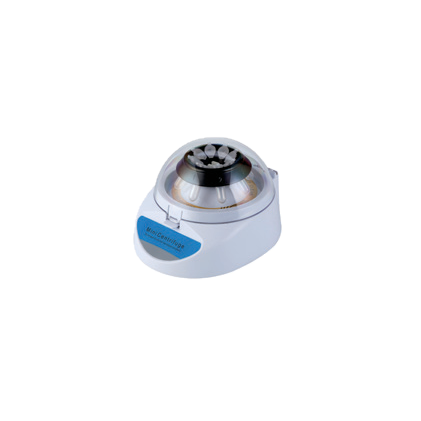
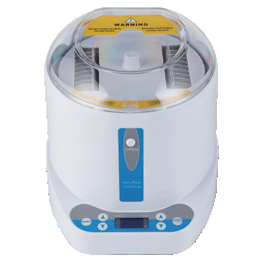
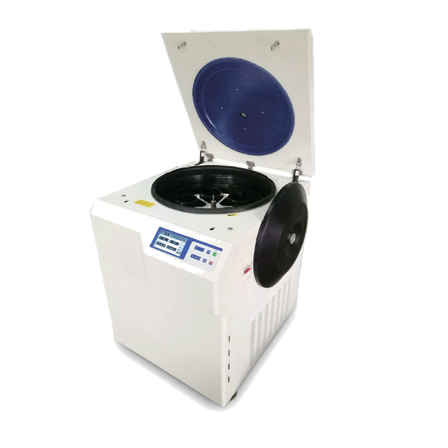
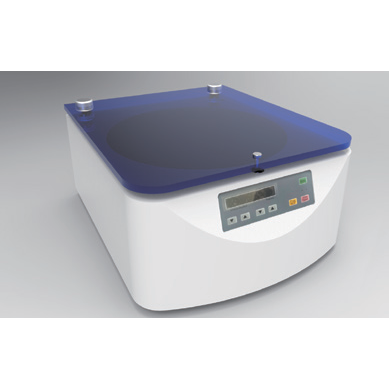
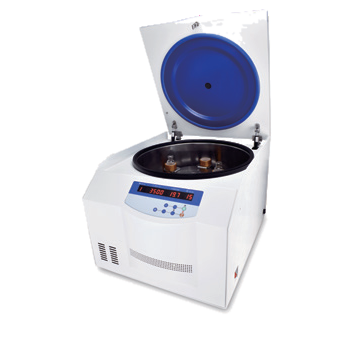
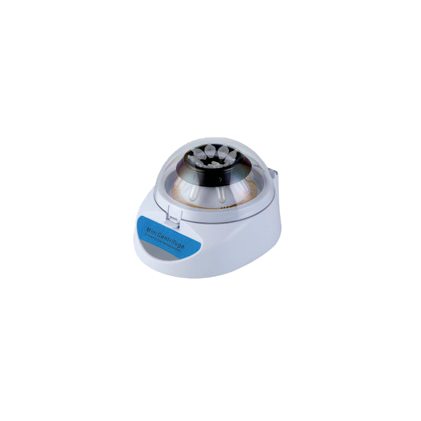
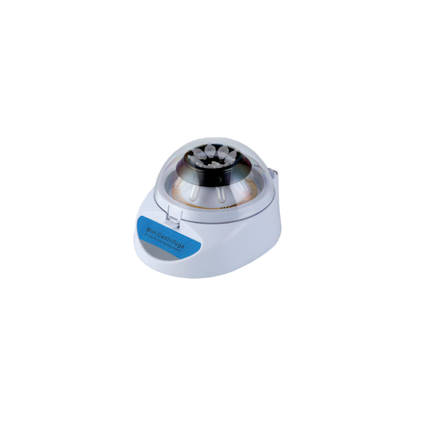
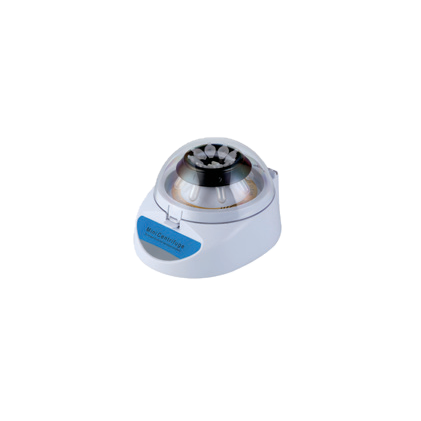
Beyond the four main series, the laboratory has a group of centrifuges built for specific workflows: mini and microplate centrifuges for quick spins and tube-wall settling after PCR plate loading; automatic decapping centrifuges that remove vacuum blood-collection-tube caps after the run, eliminating one of the most labour-intensive steps in the clinical laboratory; cytocentrifuges that spin cells directly onto glass slides through a slide rotor for cytological examination; and oil test centrifuges that separate oil and water to petroleum-industry standards. These instruments do not chase the extremes of speed or capacity — what matters is fitting the workflow. When selecting, confirm the operating standard and consumable specifications first, then match speed and capacity.
Home/Products/Other Centrifuges
11Models available
3000–12000Max. speed r/min
4×100mlMax. tube capacity
Ambient or refrigeratedTemperature control

Other Centrifuge Models

This series covers 11 models, differentiated by speed and capacity; specifications are identical to the product pages.

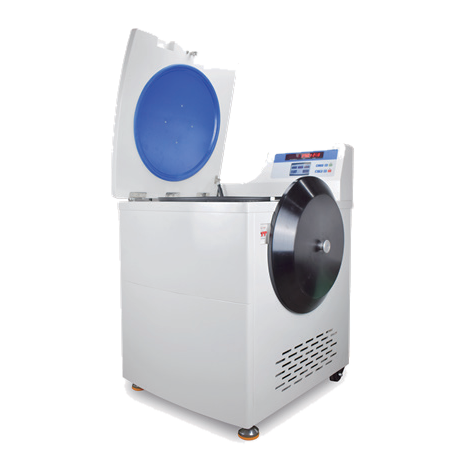
Mini CentrifugeAuto-Decapping CentrifugeCytocentrifugeCrude Oil Water Content Centrifuge

Other Centrifuge FAQ

Grouped by real-world use cases for specialty centrifuges. See the full FAQ for more questions.

It works but is awkward — a 96-well plate does not fit a conventional angle rotor, and forcing it in can warp the plate. Use a microplate rotor, or a dedicated microplate mini centrifuge (2 × 96 wells, 3000 r/min class) that brings droplets on the walls to the well bottom in seconds. This step needs no high g-force, only steady rotation without deforming the plate.
With dozens to hundreds of tubes a day, an automatic decapping model is advisable: the rotor carries a decapping structure that separates cap from tube at the end of the run, removing manual opening and reducing aerosol exposure. Departments with low volumes that mostly open tubes by hand can use a standard swing-out rotor with a biosafety lid — no need to buy dedicated equipment for it.
It spins cells in suspension directly onto a glass slide to make a smear. Samples with few cells — cerebrospinal fluid, pleural or ascitic fluid, urine, fine-needle aspirates — are easily missed on conventional smears. After centrifugation the cells lie in a single layer within a defined area, with intact morphology for staining and microscopy. Speeds are in the 3000 r/min class; the cells are deposited by centrifugal force rather than friction.
Through a decapping structure on the rotor working with a cover plate: the tube body is held while the cap is restrained axially, and centrifugal force separates the two into their own compartments, so the whole tray of caps can be lifted out afterwards. It saves opening tubes one by one and reduces aerosol exposure — provided tube specifications are uniform. Mixing brands often leaves caps partly attached or jammed.

View all FAQs

Need to compare all 35 models?Filter by specification in Products

Not sure which model to choose?

Tell us your sample type, batch volume and run conditions; our engineers will recommend the model and rotor configuration for your workflow.