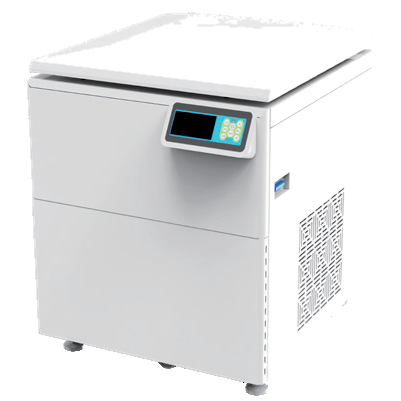
MD 5.5 Low-Speed Large-Capacity Centrifuge
Max. speed6000 r/min
Max. capacity6×1000ml
Max. RCF5770 ×g
Temperature rangeAmbient
Welcome to MRK Instruments (Shanghai) Co., Ltd. Official Website — Professional Centrifuge Manufacturer

Low-speed centrifuges usually top out at 6,000 r/min and rely on swing-out rotors and buckets. The long sedimentation path gives a flat interface between layers, which suits large-volume ambient separation: serum and plasma separation, routine urine and body-fluid testing, cell and tissue washing, and supernatant handling. Their value lies not in speed but in throughput and stability — several litres of sample per run makes them the highest-volume equipment in hospital laboratories, blood centres, CDCs and biopharmaceutical production lines. The MRK low-speed series comes in benchtop and floor-standing forms: benchtop for everyday work on the lab bench, floor-standing for batch processing in blood centres and industry.
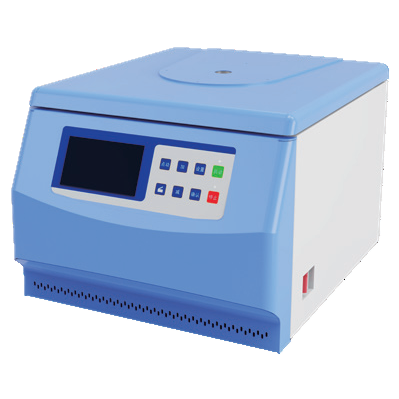
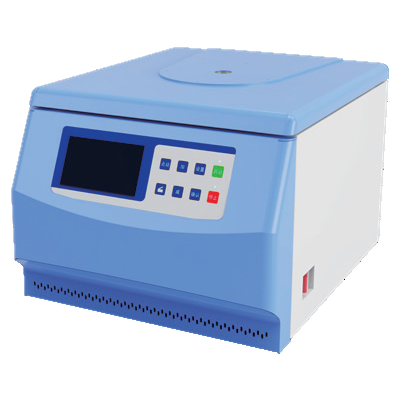
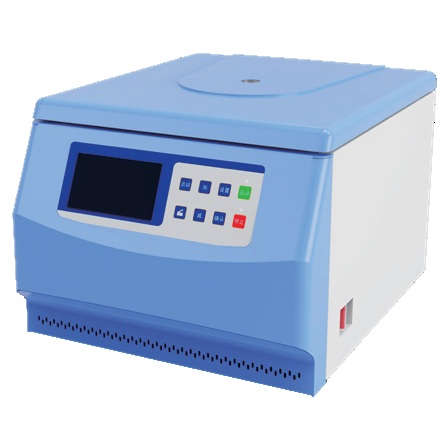
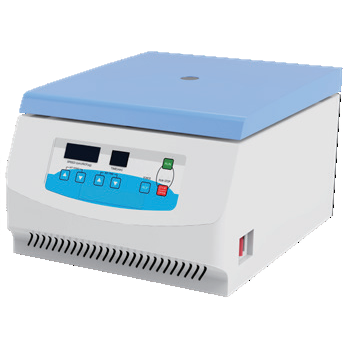
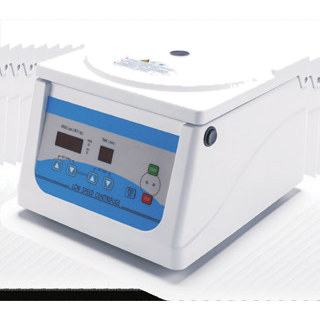
Grouped by real-world use cases for low-speed centrifuges. See the full FAQ for more questions.
5 models · 16000–21000 r/min
View High-Speed Centrifuges8 models · 16500–21000 r/min
View High-Speed Refrigerated Centrifuges5 models · 6000–10000 r/min
View Low-Speed Refrigerated Centrifuges11 models · 3000–12000 r/min
View Other CentrifugesNeed to compare all 35 models?Filter by specification in Products
Tell us your sample type, batch volume and run conditions; our engineers will recommend the model and rotor configuration for your workflow.